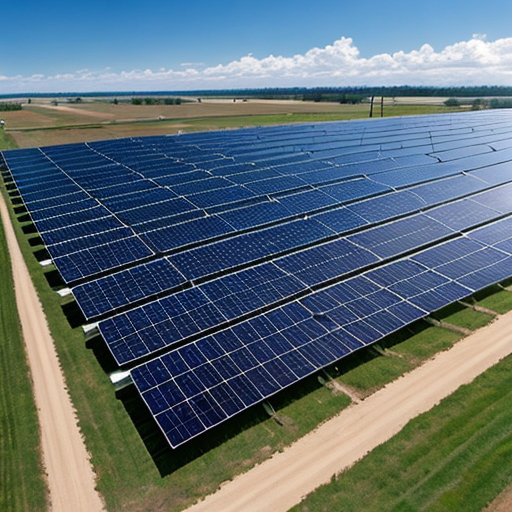
Solar panels are at the heart of the solar energy revolution, converting sunlight into usable electricity for homes, businesses, and communities worldwide. Understanding how solar panels work can illuminate the power and potential of harnessing solar energy.
At their core, solar panels rely on the photovoltaic effect to generate electricity. This effect was first discovered in 1839 by French physicist Alexandre-Edmond Becquerel, and it involves the generation of an electric current when certain materials are exposed to light. Here’s a breakdown of how solar panels work:
- Solar Cells: The basic building blocks of a solar panel are photovoltaic cells, also known as solar cells. These cells are typically made of silicon, a semiconductor material. When sunlight hits these cells, it excites the electrons within the silicon atoms, causing them to flow and generate an electric current.
- The Photovoltaic Process: Each solar cell consists of multiple layers. When sunlight, which is composed of tiny particles called photons, strikes the solar panel, some of these photons are absorbed by the semiconductor material. This energy knocks electrons loose from their atoms, creating an electric current. The flow of electrons is directed by built-in electric fields within the solar cell, resulting in a direct current (DC) of electricity.
- Inverter Conversion: The electricity produced by solar panels is in the form of direct current (DC), which is what batteries and electronic devices use. However, most homes and businesses run on alternating current (AC) electricity. To make the electricity generated by solar panels compatible with household appliances, an inverter is used to convert the DC electricity into AC electricity.
- Net Metering: In grid-tied solar systems, excess electricity generated by solar panels can be fed back into the electrical grid. This process, known as net metering, allows homeowners to receive credits or compensation for the excess electricity they produce. During times when solar panels aren’t producing enough electricity, such as at night or on cloudy days, homeowners can still draw electricity from the grid.
- Monitoring and Maintenance: To ensure optimal performance, solar panel systems often include monitoring systems that track energy production and identify any issues. Routine maintenance, such as cleaning the panels and checking for any shading obstructions, can help maximize energy production and prolong the lifespan of the system.
Overall, solar panels offer a clean, renewable source of energy that can help reduce reliance on fossil fuels, lower electricity bills, and mitigate the environmental impact of traditional energy sources. As technology advances and economies of scale drive down costs, solar energy continues to become more accessible and widespread, empowering homeowners and communities to embrace a sustainable energy future.